June 18, 2026
Creating the perfect outdoor living space is about designing an area that combines comfort, functionality, and beauty. Whether you have a large backyard or a small patio, thoughtful planning can turn your outdoor area into a natural extension of your home. A well-designed outdoor environment not only enhances daily living but can also increase property value. Successful landscaping helps bring all the elements together, creating a space that fits your lifestyle and complements your home.
Start by Understanding Your Space
Before making any design decisions, evaluate the size, layout, and natural features of your property. Existing trees, slopes, fences, and pathways can influence the final design and often become valuable assets in the overall plan. Your lifestyle should also shape the space. Think about how you intend to use the area. Some homeowners prioritize outdoor dining and entertaining, while others prefer a quiet retreat for relaxation. Understanding your goals helps determine what features deserve the most attention.
Budget planning is equally important. Setting realistic financial expectations allows you to prioritize key features while avoiding unnecessary expenses. Working with professionals can help identify solutions that maximize value without compromising quality. According to Gitnux, approximately 2,500 square feet is the most common size for a landscaping project. This size provides enough room to incorporate multiple outdoor features while maintaining balance and functionality.
Consider Climate and Local Conditions
Climate plays a major role in outdoor design. Materials, plants, and furniture should be selected based on local weather conditions. Areas with intense sun require durable, fade-resistant materials, while regions with frequent rain may benefit from moisture-resistant surfaces.
Choosing plants that thrive in your environment reduces maintenance demands and improves long-term success. Native species often require less water and are naturally adapted to local growing conditions. Factoring in weather patterns from the beginning helps ensure your outdoor living space remains attractive throughout the year.
Create a Cohesive Design Plan
A clear design theme provides direction and helps unify all aspects of the project. Whether your preference is modern, rustic, traditional, or coastal, consistency creates a polished appearance. A detailed layout or blueprint can help visualize how different features will fit together. Planning minimizes costly mistakes and ensures efficient use of available space. Consider how people will move through the area and create natural pathways between seating, dining, and recreational zones.
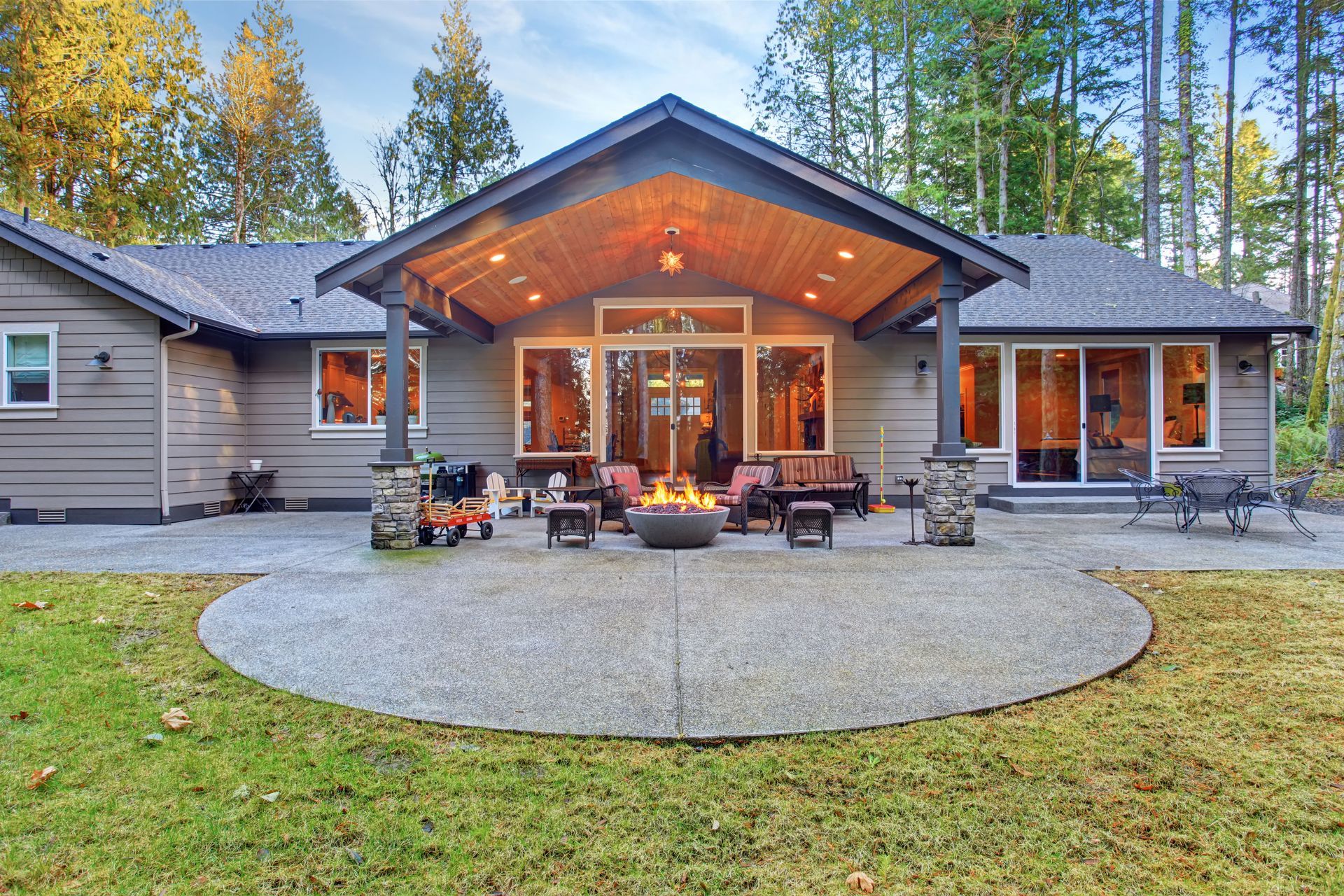
Hardscape features such as patios, walkways, retaining walls, and fire pits establish structure within the design. These permanent elements define spaces while improving functionality. Thoughtful landscaping integrates hardscapes with natural features to create a seamless transition throughout the property. Vertical elements can also maximize space. Trellises, climbing plants, decorative walls, and elevated garden beds add depth and visual interest while making smaller areas feel larger.
Select Comfortable and Durable Furniture
Outdoor furniture significantly impacts both comfort and appearance. Investing in high-quality pieces designed for outdoor use ensures durability and long-term value. Materials such as aluminum, teak, and weather-resistant wicker perform well in various climates. Comfort should remain a priority. Cushioned seating, ergonomic designs, and flexible arrangements encourage regular use of the space. Multifunctional furniture can provide additional benefits, particularly in smaller outdoor areas where maximizing space is important.
Color selection should complement the overall design theme. Neutral tones create a timeless look, while bold accents add personality and visual interest. Arranging furniture to encourage conversation and easy movement helps create an inviting atmosphere for both family and guests.
Enhance the Space with Plants and Greenery
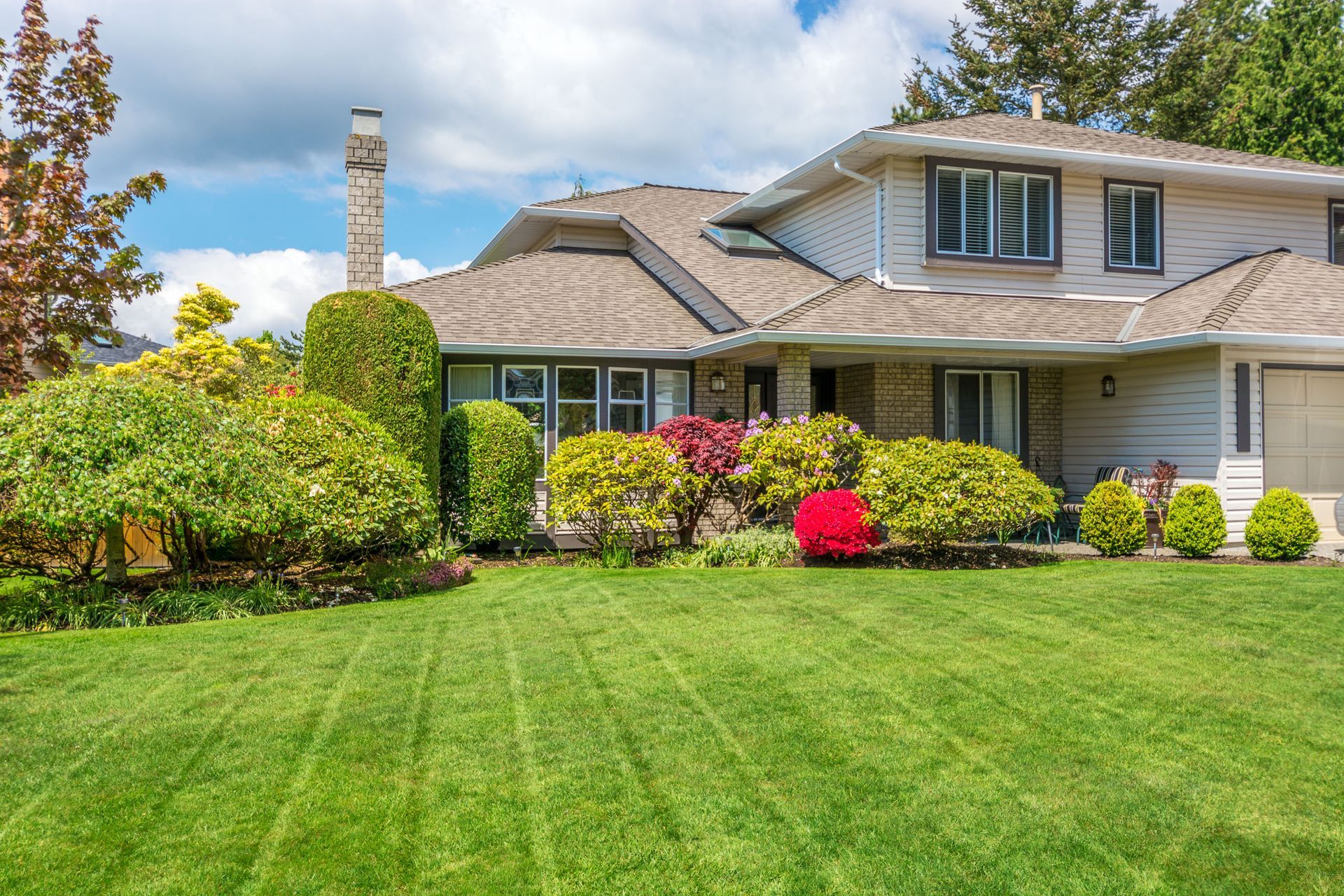
Plants are often the most recognizable aspect of landscaping, bringing life, color, and texture to outdoor environments. A thoughtful combination of trees, shrubs, flowers, and ornamental grasses creates visual variety while softening hardscape features. Seasonal interest is important when selecting plant materials. Combining species that bloom at different times ensures year-round appeal. Evergreen plants provide structure during colder months, while flowering plants deliver vibrant color throughout the growing season.
Many homeowners are also incorporating edible plants into their outdoor designs. Herbs, vegetables, and fruit-bearing plants offer practical benefits while contributing to the overall aesthetic. Low-maintenance gardens remain a popular choice. Drought-tolerant and native plants reduce watering requirements while minimizing ongoing upkeep. Mulching and proper plant spacing further simplify maintenance and promote healthy growth.
Install Efficient Irrigation Systems
A healthy outdoor environment depends on proper watering. Modern irrigation systems help deliver consistent moisture while reducing waste. Drip irrigation systems are especially effective because they provide water directly to plant roots. Automated irrigation systems allow homeowners to maintain their landscape even when traveling or during busy schedules.
Proper watering not only supports plant health but also protects the investment made in landscaping improvements. Regular inspections and seasonal adjustments ensure irrigation systems continue operating efficiently. Water conservation practices benefit both the environment and long-term maintenance costs.
Use Lighting to Improve Function and Ambiance
Outdoor lighting extends the usability of your living space after sunset while improving safety and visual appeal. A combination of functional and decorative lighting creates a balanced environment.
Pathway lighting helps guide movement safely through the property. Accent lighting can highlight architectural features, garden beds, or focal points such as water features and sculptures. Seating and dining areas benefit from softer lighting that encourages relaxation and conversation. Energy-efficient options such as LED fixtures and solar-powered lights offer sustainable solutions while reducing energy consumption. Properly placed lighting transforms outdoor areas into welcoming spaces that can be enjoyed well into the evening.
Add Personal Features and Amenities
Personal touches help distinguish your outdoor living space and make it uniquely yours. Decorative accents, artwork, and outdoor textiles contribute warmth and character. Outdoor rugs, cushions, and throws can introduce color and comfort while helping define specific areas. For homeowners who enjoy entertaining, outdoor kitchens, grilling stations, and dining areas create ideal gathering spaces. Audio systems and comfortable seating arrangements further enhance the entertainment experience.
Water features such as fountains and ponds introduce soothing sounds and visual interest. Fire pits and outdoor fireplaces extend seasonal use while providing a natural gathering point for family and guests. These features often become focal points that elevate the overall atmosphere. Thoughtful landscaping supports these amenities by creating a cohesive setting that feels intentional and inviting.
Create a Relaxing Retreat
One of the primary goals of any outdoor living space is relaxation. Designating areas specifically for unwinding can improve both physical and mental well-being. Comfortable seating, shade structures, privacy screens, and calming plant selections contribute to a peaceful environment.
Whether it's a quiet reading nook, a meditation garden, or a comfortable lounge area, creating spaces that encourage relaxation makes your outdoor environment more enjoyable. Natural elements, balanced design, and careful planning work together to establish a sense of tranquility.
When properly executed, landscaping transforms an ordinary yard into a personal retreat where homeowners can escape daily stresses and reconnect with nature. Creating the perfect outdoor living space requires a balance of planning, creativity, and functionality. By evaluating your needs, selecting durable materials, incorporating greenery, and designing for comfort, you can build an outdoor environment that enhances your lifestyle and adds value to your property. Every element should work together to create a cohesive and welcoming setting.
If you're ready to transform your property with professional landscaping, contact USA Lawn & Landscaping. Our experienced team can help bring your vision to life with customized solutions that create beautiful, functional outdoor spaces you can enjoy for years to come.