August 18, 2026
In recent years, a growing trend has emerged in incorporating non-living features into modern landscape architecture. This design strategy, known as hardscaping, utilizes durable materials such as natural stone, concrete, brick, and wood to construct functional assets like pathways, retaining walls, patios, and fences. By defining the structural layout of an outdoor space, hardscaping complements soft elements like lawns and gardens while providing structure that withstands seasonal weathering. Market researchers have tracked a massive surge in projects among homeowners focusing on creating usable outdoor work, dining, and recreation spaces. This dramatic rise underscores an evolving market demand for low-maintenance, highly functional environments that seamlessly merge architectural utility with natural beauty.
Expanding your living area into the open air requires more than just planting seasonal flowers and mowing the lawn. Modern property design thrives on a balanced harmony between soft vegetation and permanent masonry, creating designated structural zones that improve the physical flow of your property. Strategic investments in outdoor infrastructure remove the endless chore of weeding, mowing, and re-seeding large patches of empty yard. By shifting your landscaping focus toward durable, long-term construction, you establish a resilient foundation that maximizes your land usability, protects your soil from heavy rain runoff, and handles fluctuating local weather conditions with absolute structural ease.
Understanding Hardscaping
Defining Core Components
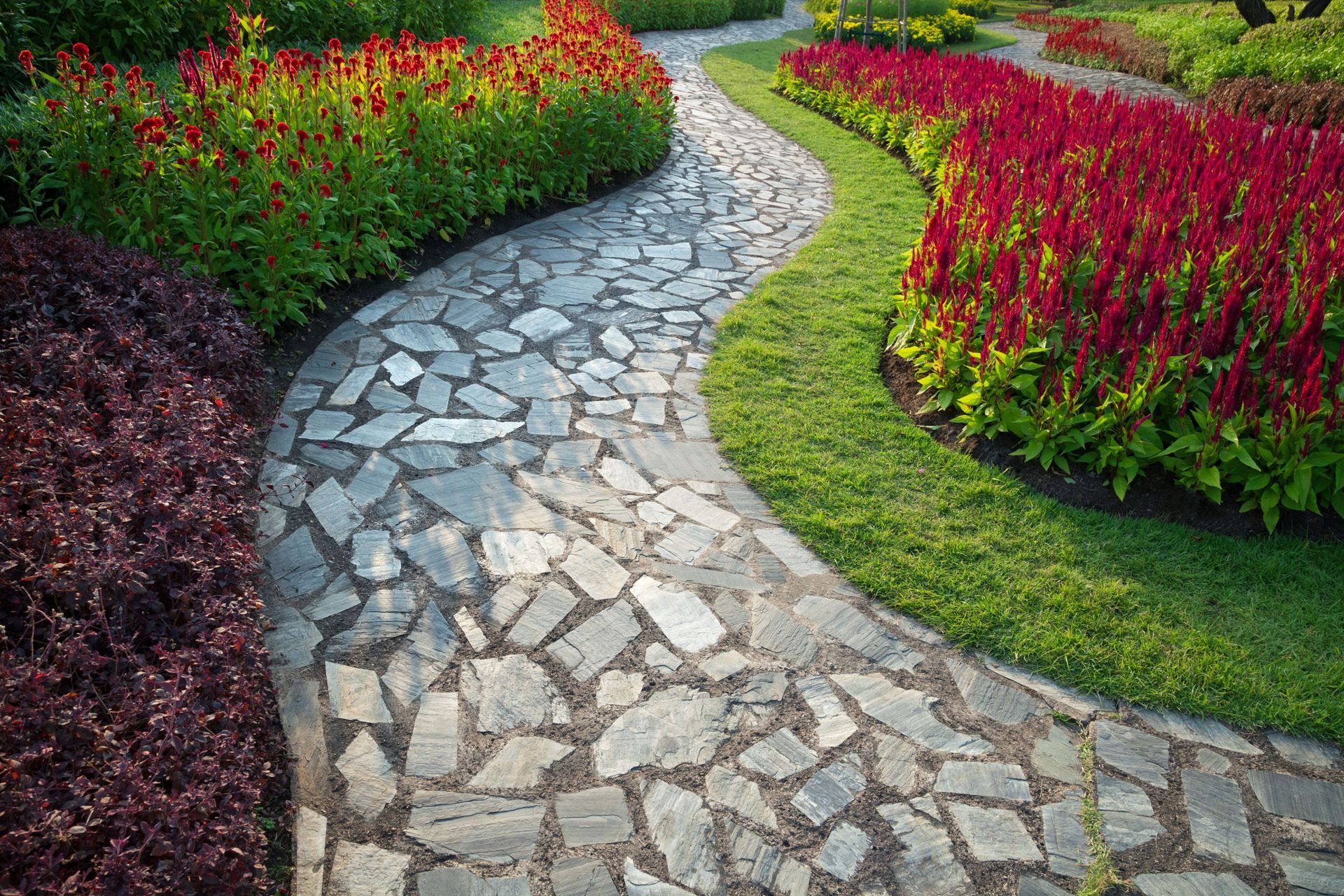
Hardscaping refers to the non-living architectural components integrated with living plants to establish a balanced, cohesive outdoor environment. These permanent structures range from simple stone walkways that guide pedestrian foot traffic to sophisticated retaining walls engineered to manage sloped terrains. By establishing solid borders, geometric lines, and structural order, these features transform ordinary backyards into predictable, extended living spaces. Homeowners looking to install these features often consult specialized hardscaping companies to ensure proper material selection, excavation depth, and foundational grading.
Tracing Historical Formations
The structural roots of hardscaping trace back to ancient civilizations, where stone aqueducts, defensive walls, and formal paved courtyards served vital urban functions. During the Renaissance, garden design shifted toward symmetry, integrating luxury stone borders, geometric stone pathways, and ornate water fountains to symbolize sophistication. Modern hardscaping companies frequently study these classical European and Persian layouts to replicate timeless aesthetics using contemporary building techniques. Today, advanced manufacturing options allow designers to integrate historical stonework principles with modern, weather-resistant structural components.
Selecting Project Materials
Choosing the right materials is a fundamental step in determining the longevity, aesthetic tone, and maintenance requirements of any outdoor installation. Natural stone and clay brick provide a traditional look and excellent structural lifespan, making them ideal for high-traffic walkways and robust retaining features. Poured or stamped concrete offers maximum versatility, allowing builders to mold custom shapes, textures, and finishes that align with minimalist architectural trends. To ensure long-term stability against shifting topsoil, established hardscaping companies carefully evaluate local soil composition and climate patterns before recommending specific composites or pavers.
Realizing Functional Benefits
Integrating masonry features delivers clear functional and economic advantages that go far beyond basic visual improvements. Well-designed patios and decks maximize property utilization, creating stable zones for outdoor dining, entertainment, and daily leisure. On a structural level, strategic hardscape installations resolve complex drainage issues, contain eroding soil on steep hillsides, and minimize overall lawn maintenance chores. Reputable hardscaping companies emphasize that proper grading during installation prevents rainwater from collecting near home foundations, protecting properties from expensive water intrusion issues over time.
Dispelling Common Myths
Despite the clear benefits, several misconceptions persist regarding the cost, flexibility, and appearance of permanent outdoor masonry installations. A common myth is that adding stone or concrete elements creates a stark, cold atmosphere that completely ruins the natural feel of a yard. When executed correctly, however, modular stone structures interlock seamlessly with soft greenery to enhance the organic environment. Experienced hardscaping companies frequently educate property owners on how modular layouts, permeable pavers, and natural stone textures can adapt to various household budgets while increasing long-term real estate values.
Setting Project Benchmarks
Successful implementation requires meticulous pre-construction planning, precise objective setting, and a transparent understanding of installation timelines. Homeowners must balance their lifestyle goals, such as creating private seating areas or building safe fire pit enclosures, with the physical layout of their land. According to Dataintelo, the amount of hardscape projects has increased by 18.7% among homeowners focused on expanding their property features. Partnering with professional hardscaping companies during this initial stage helps property owners identify cost-effective material alternatives, separate structural necessities from cosmetic luxuries, and plan phased installations that align comfortably with their financial boundaries.
Navigating Legal Requirements
Navigating municipal zoning laws, building codes, and neighborhood safety guidelines is a critical aspect of structural site planning. Projects that alter natural water runoff patterns or cross property lines frequently require official permits, structural engineering reviews, and explicit utility line markings. Professional hardscaping companies regularly manage these regulatory processes, ensure construction satisfies local code frameworks, and protect homeowners from incurring costly city fines or post-construction property modifications.
Building Outdoor Features
Patios, multi-level decks, and outdoor kitchens serve as the ultimate functional highlights of a modern landscape plan. These high-utility assets extend the interior comforts of a home directly into the open air, providing structured surfaces for heavy grills, weather-proof furniture, and social gatherings. Proper placement must account for ambient sun exposure, wind patterns, and intuitive foot traffic paths to ensure the space remains comfortable and inviting throughout the changing seasons.
Incorporating Water Elements
Integrating structured water installations like backyard ponds, localized waterfalls, or multi-tier fountains adds a distinct auditory and sensory layer to masonry projects. These features rely on deep-set electrical conduits, high-efficiency plumbing networks, and sturdy sub-base structural shells to prevent long-term shifting or line leaks. Experienced hardscaping companies prioritize precise underground infrastructure placement so that water flows cleanly without overflowing onto surrounding turf or destabilizing nearby walkways.
Managing Environmental Lighting
Illuminating stone masonry pathways and structural backwalls with strategic low-voltage LED landscape lighting enhances night-time visibility and perimeter property security. Hard-wired architectural fixtures are typically built straight into retaining walls, patio steps, and outdoor counters during the initial masonry fabrication pipeline rather than added as an afterthought. Trusted hardscaping companies plan out these electrical layouts carefully before pouring concrete or interlocking stone block pathways, creating a clean look completely free of loose, exposed exterior wiring.
Designing Vertical Accents
Constructing vertical architectural assets like standalone stone pillars, detailed fire pit enclosures, or overhead masonry pergolas provides a clear sense of geometric height and structural boundaries to flat lawns. These towering components demand deep sub-surface trenching, heavy internal rebar reinforcements, and flawless structural alignments to remain perfectly upright over years of ground settling. Professional hardscaping companies closely measure wind loading forces and material weights during structural preparation stages to keep top-heavy masonry features structurally sound.
Maintaining Permanent Stonework
Preserving the pristine finish of outdoor pavers, brick borders, and stamped concrete surfaces requires an ongoing long-term maintenance framework based on seasonal deep cleaning and power washing. Over time, environmental factors like moss accumulation, tree sap stains, and joint-sand erosion can degrade the visual consistency of premium stone layouts. Experienced hardscaping companies recommend applying industrial-grade protective sealants and refilling structural paver joint gaps with premium polymeric sand every few seasons to lock out deep water intrusion.
Maximizing the performance, safety, and long-term durability of your outdoor environment requires a disciplined approach to structural engineering and landscape design. By moving away from high-maintenance turfgrass and investing in permanent stone, brick, or concrete installations, you can protect your topsoil from erosion, eliminate exhausting weekly yard work, and elevate your property's overall curb appeal. Entrusting these heavy-duty excavation and masonry tasks to trained, fully licensed professionals ensures that your installation remains perfectly level, structurally stable, and visually striking for decades to come; for premier, dependable service throughout the region, make sure to request your next system inspection from USA Lawn & Landscaping.